17 Aug 2026
Dissecting Algorithmic Influences on Personalized Bonus Allocations in Virtual Arena Betting

Virtual arena betting platforms have expanded rapidly since 2024, and by August 2026 operators reported increased reliance on machine learning models to distribute personalized bonuses across esports and simulated match environments. These systems analyze player data streams including wager frequency, session duration, and historical payout patterns to adjust reward offers in real time.
Core Mechanisms Behind Allocation Models
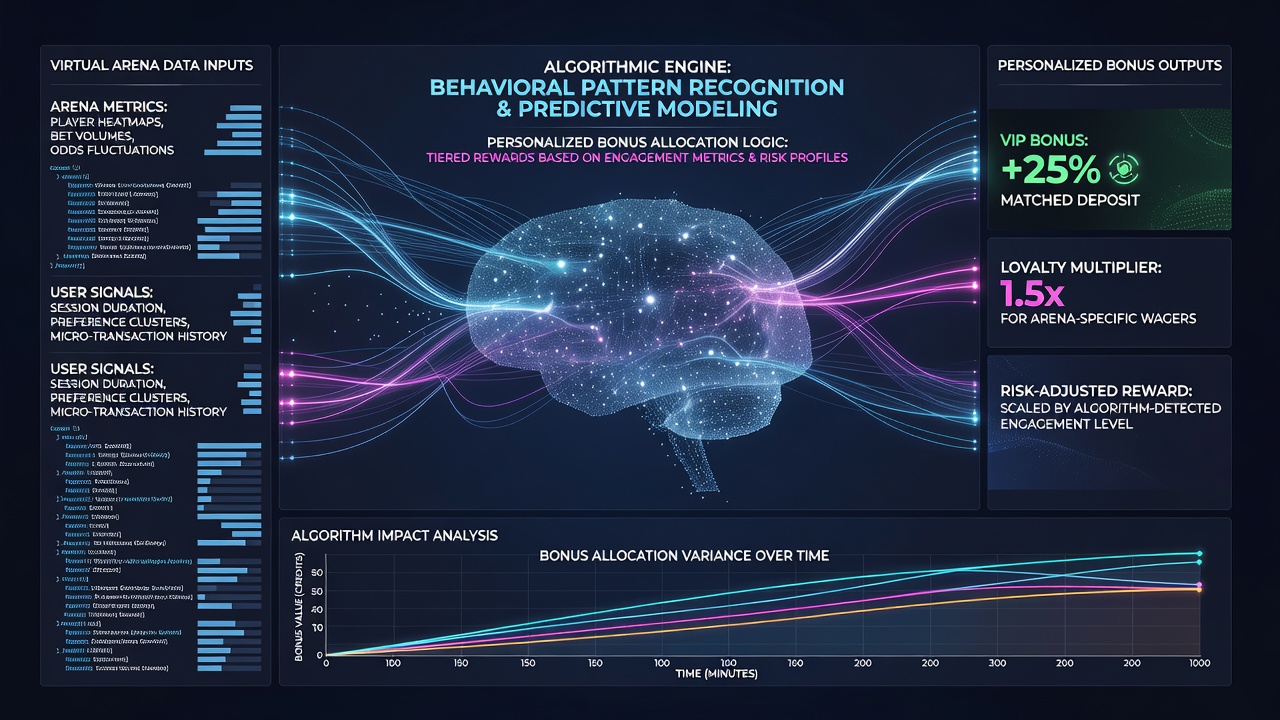
Algorithms process inputs such as deposit velocity, game selection ratios, and response rates to prior promotions, then assign bonus values through decision trees and neural networks that weigh engagement signals against retention forecasts. Platforms segment users into cohorts based on predicted lifetime value, so high-activity participants often receive larger match bonuses while lower-volume accounts see smaller reload offers or free spin equivalents tailored to virtual events.
Researchers tracking these systems note that feature importance rankings shift monthly, with recent emphasis on cross-platform behavior where a user's performance in one arena influences eligibility in another. Data aggregation occurs across mobile and desktop sessions, allowing models to detect patterns like evening peak hours or preference for specific virtual leagues.
Data Patterns Observed in 2026
Industry reports compiled through the first half of 2026 show that personalized bonuses tied to algorithmic scoring correlate with a measurable uptick in repeat logins within targeted cohorts. One study examining multi-arena operators found that dynamic adjustments based on real-time metrics produced higher completion rates for wagering requirements compared to static offers distributed uniformly.
Figures from the Nevada Gaming Control Board reveal that virtual arena segments accounted for an increasing share of total handle in regulated markets during Q2 2026, with bonus-related play contributing to sustained volumes even as overall sports betting metrics softened in some regions. Models incorporate regulatory caps on bonus sizes, so allocations stay within jurisdictional limits while still optimizing for individual profiles.
Behavioral Inputs and Model Training
Training datasets draw from anonymized transaction logs, clickstream data, and in-game performance indicators. Engineers update weights periodically using reinforcement learning loops that test small variations in bonus parameters against control groups. Observers note that variables such as time since last deposit or average stake size per virtual match often rank higher in importance than demographic details alone.
Take one operator that adjusted its model in early 2026 after detecting that participants favoring niche virtual tournaments responded more strongly to tiered bonus ladders than to flat percentage matches. The change led to recalibrated offers that aligned reward tiers with observed completion thresholds, producing steadier engagement curves across those segments.
Regulatory and Technical Constraints
Compliance teams integrate external rules into the same algorithmic frameworks, ensuring offers respect age verification thresholds and responsible gaming flags. Platforms operating across borders must reconcile differing requirements, so models include geographic filters that suppress certain bonus types in stricter jurisdictions.
Academic analyses published in the Journal of Gambling Studies have examined how these layered constraints affect model transparency, with researchers calling for clearer documentation of feature selection processes to allow external audits. Meanwhile, trade groups such as the European Gaming and Betting Association have published guidelines encouraging standardized reporting on algorithmic bonus logic.
Cross-Platform Integration Effects
Many operators link virtual arena bonuses to broader loyalty ecosystems, so activity in simulated matches can unlock rewards redeemable in live dealer or table environments. Algorithms track these transfers through unified player profiles, adjusting future allocations based on redemption rates and subsequent play volume. This interconnected structure means a single high-value session in one arena can trigger a cascade of offers across multiple product verticals.
Platforms have documented cases where sudden spikes in virtual event popularity prompted rapid model retraining to capture emerging user clusters before competitors adjusted their own systems. The speed of these updates depends on data pipeline latency and the availability of labeled outcome data from completed promotions.
Conclusion
Algorithmic personalization continues to shape how virtual arena betting operators allocate bonuses, with models evolving alongside regulatory developments and shifting user patterns through August 2026. Continued examination of these systems by oversight bodies and independent researchers provides the primary mechanism for understanding allocation trends across platforms.