18 Jul 2026
Exploring How Integrated Chat Systems Affect Group Dynamics and Prolonged Sessions in Competitive Online Environments

Integrated chat systems have become standard features across competitive online platforms, enabling real-time text, voice, and sometimes video communication among participants in environments ranging from esports arenas to large-scale multiplayer simulations. These tools connect players who coordinate strategies, share updates, and manage roles during extended matches that can last several hours. Data from industry tracking services indicates participation in such platforms reached record levels by mid-2026, with July figures showing sustained activity across major titles.
Communication Patterns in Team-Based Interactions
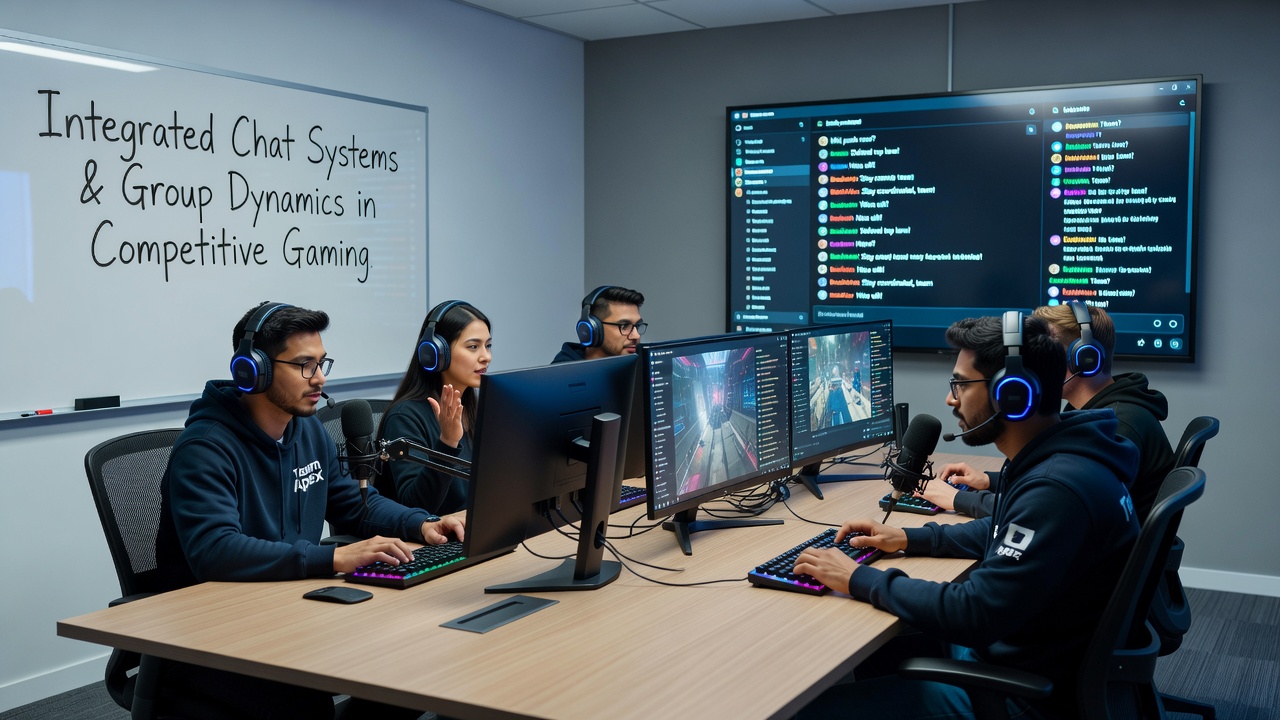
Researchers have documented how chat functions alter the way groups form and operate under pressure. In many competitive settings, voice channels allow for quick callouts that improve coordination during fast-paced events, while text options provide permanent logs that teams review afterward for performance analysis. A study conducted at a North American university examined virtual team performance and found that groups using synchronized chat reported higher rates of successful objective completion compared to those relying solely on pre-set signals.
Observers note that these systems also introduce layers of social signaling. Participants often develop shorthand phrases or emotes that strengthen in-group bonds, yet the same features can amplify misunderstandings when language barriers or time zone differences come into play. European gaming associations have tracked similar patterns across cross-border tournaments, where multilingual support in chat interfaces correlates with broader participation numbers.
Effects on Session Length and Participant Retention
Prolonged engagement appears tied to the presence of persistent chat threads that keep players connected beyond individual matches. Platforms that archive conversations see users returning for follow-up discussions, extending average session durations by measurable margins according to analytics shared by platform operators in 2026. This continuity fosters repeated interactions that build familiarity among recurring group members.
Yet extended exposure carries documented drawbacks. Reports compiled by Canadian research institutes highlight increased reports of fatigue when chat remains active without moderation tools, leading some participants to disengage after three or more consecutive hours. Data collected during summer tournaments that year showed session lengths averaging 2.4 hours higher on platforms with robust voice filtering options than on those without such features.
Role of Moderation and Platform Design Choices
Design decisions around chat visibility and access controls shape outcomes in measurable ways. Systems that allow temporary muting or private subgroup channels tend to maintain higher activity levels across multi-hour events, while fully open channels sometimes experience rapid turnover when disruptive messages accumulate. Industry reports from Australian trade groups released in July 2026 noted that platforms implementing automated sentiment analysis experienced 18 percent fewer mid-session dropouts in competitive queues.
Those who have examined large datasets from regional servers point out that chat integration influences not only immediate performance but also long-term community stability. Groups that maintain active discussion threads between scheduled matches demonstrate greater consistency in attendance records, whereas environments lacking such continuity show wider fluctuations in daily user counts.
Regional Variations and Emerging Trends
Geographic differences emerge when comparing usage across continents. North American servers often prioritize voice integration for speed, whereas Asian markets have expanded text-based overlays with translation layers that support larger participant pools. Figures released by regulatory bodies in multiple jurisdictions during 2026 indicate these adaptations align with local connectivity infrastructure and cultural preferences for communication styles.
Academic papers published that summer further explored correlations between chat density and cognitive load during prolonged play. One analysis of tournament replays revealed that teams exchanging fewer than twelve messages per minute maintained steadier performance curves, while higher volumes sometimes preceded coordination breakdowns near the end of extended sets.
Conclusion
Integrated chat systems continue to reshape how competitive groups interact and sustain activity over time. Available evidence from multiple studies and regional reports demonstrates clear connections between communication tools, coordination outcomes, and session persistence across diverse platforms. As environments evolve through 2026 and beyond, ongoing data collection from operators and independent researchers will clarify which configurations best support both short-term effectiveness and extended participation.