1 Aug 2026
How Regional Banking Policies Influence Deposit Patterns Across Niche Online Gaming Platforms
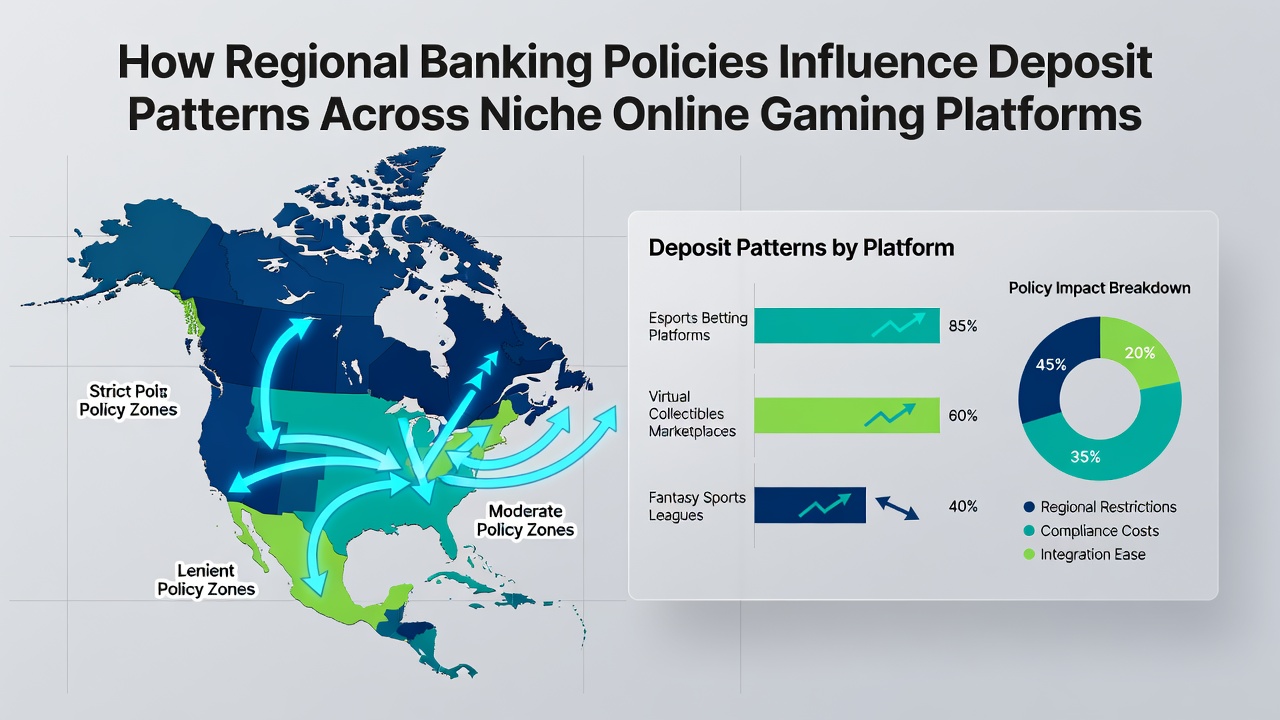
Banking regulations differ sharply from one jurisdiction to another, and those differences shape the ways users move funds into accounts on specialized online gaming platforms that focus on virtual economies, simulation environments, and competitive match systems. In many regions central banks and financial oversight bodies have introduced rules that limit certain payment instruments for transactions involving entertainment platforms, which in turn prompts players to adopt alternative deposit channels such as digital wallets, prepaid vouchers, or emerging settlement networks. Observers note that these shifts appear consistently across platforms that operate on a global scale yet must comply with local rules in each market they serve.
Policy Differences Across Major Regions
North American frameworks have emphasized consumer protection measures that require banks to flag recurring transfers to entertainment services, leading many institutions to impose daily or monthly caps on such activity. European directives on payment services have encouraged stronger authentication protocols, which sometimes add friction to instant deposits yet simultaneously support faster cross-border settlements when platforms integrate approved electronic money institutions. In Asia Pacific jurisdictions, authorities have restricted the use of credit cards for certain categories of digital services, resulting in a measurable rise in the use of local bank transfers and stored-value cards among users of niche gaming environments. Data compiled through August 2026 indicates that platforms serving multiple continents recorded a 19 percent increase in wallet-based deposits compared with the same period in 2025, while direct card funding declined in markets with tighter rules.
Observed Changes in Deposit Methods
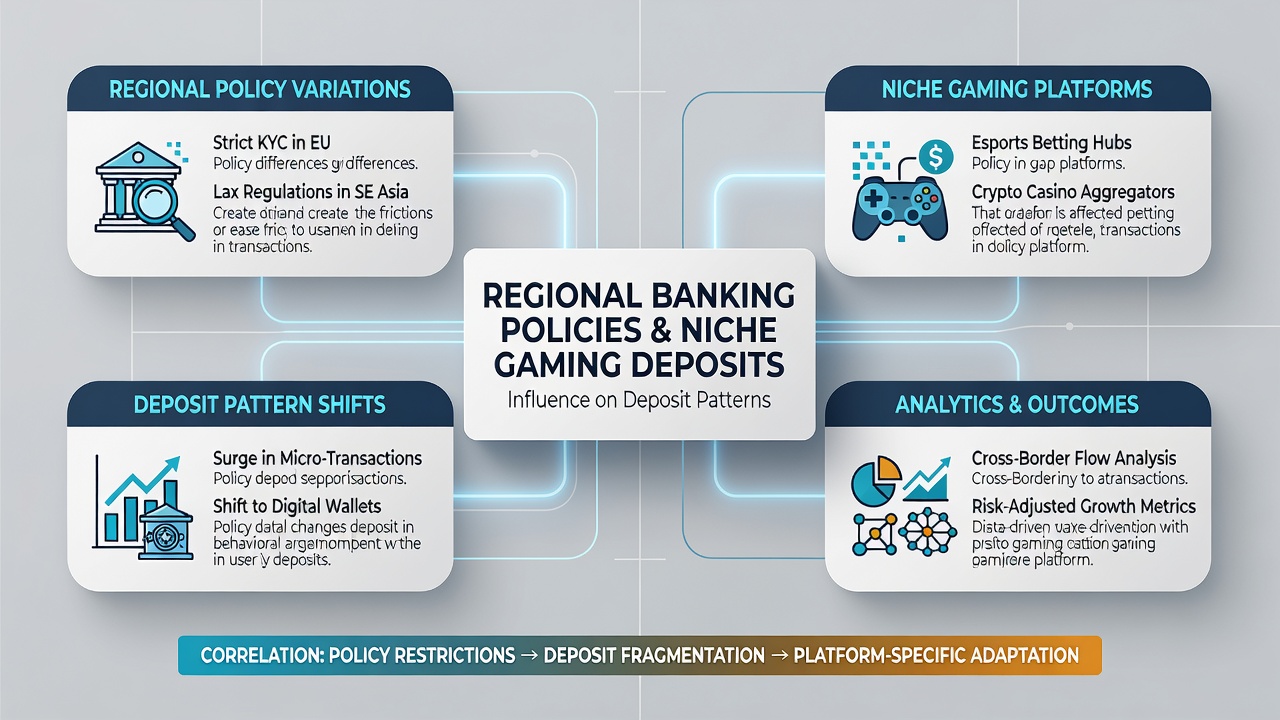
Platforms that cater to simulation racing communities or turn-based strategy servers report that users in regulated markets increasingly complete deposits through intermediary services that mask the final destination of funds from the originating bank. This pattern emerges because many regional policies classify entertainment platforms under broader categories that trigger additional scrutiny, prompting players to route payments via services already cleared for general e-commerce. Researchers tracking transaction logs across several mid-sized platforms found that the average deposit size remained stable even as the mix of payment types changed, suggesting that policy pressure alters the channel rather than the overall volume committed by users. Those who study these environments point out that platforms able to offer multiple approved methods maintain steadier retention metrics during periods of regulatory adjustment.
Case Examples from Platform Data
One network focused on cooperative world-building games experienced a pronounced migration toward regional instant payment systems after a major bank in its primary market updated its merchant category codes in early 2026. Transaction records showed that the share of deposits completed via the new local rails rose from 27 percent to 48 percent within four months, while older card options fell correspondingly. A separate platform serving turn-based card simulation users noted similar movement after an oversight body in another country required enhanced disclosure for recurring entertainment charges. In both instances the platforms adjusted their checkout flows to surface compliant options first, and user adoption followed without measurable drop in overall activity levels.
Broader Industry Patterns
Industry reports compiled by research groups affiliated with academic institutions in Canada and Australia reveal that platforms operating across borders often maintain separate payment stacks for each region to satisfy local banking expectations. These segmented approaches allow operators to route deposits through entities that already meet the prevailing standards, reducing the risk of transaction declines at the point of funding. According to findings released by the Bank of Canada research division, entertainment-related payment flows have shown increased reliance on domestic clearing systems when cross-border card networks face additional compliance layers. Parallel observations from the Reserve Bank of Australia indicate that stored-value instruments have gained traction among users of niche digital platforms when traditional card routes encounter policy-driven friction.
Platforms that publish transparency reports note that the timing of regulatory announcements frequently coincides with temporary spikes in support tickets related to deposit failures, yet these volumes normalize once users discover the newly promoted methods. The pattern holds across both large and smaller operators, suggesting that the influence of banking policy operates at the infrastructure level rather than being limited to any single category of gaming experience.
Conclusion
Regional banking policies continue to steer the mechanics of funding accounts on specialized online gaming platforms by determining which payment instruments remain readily available and which require workarounds or substitutions. As oversight bodies refine their approaches to digital transactions, platforms respond by expanding the range of compliant channels they present to users, and deposit patterns evolve accordingly without necessarily altering overall participation rates. The record through August 2026 demonstrates that these adjustments occur steadily across jurisdictions, producing a fragmented yet functional landscape in which users and operators adapt to the rules that apply in each market.