Layered Loyalty: Dissecting Multi-Level VIP Programs in Online Poker and Casino Hubs
25 Apr 2026
Layered Loyalty: Dissecting Multi-Level VIP Programs in Online Poker and Casino Hubs
The Rise of Tiered Loyalty in Digital Gaming
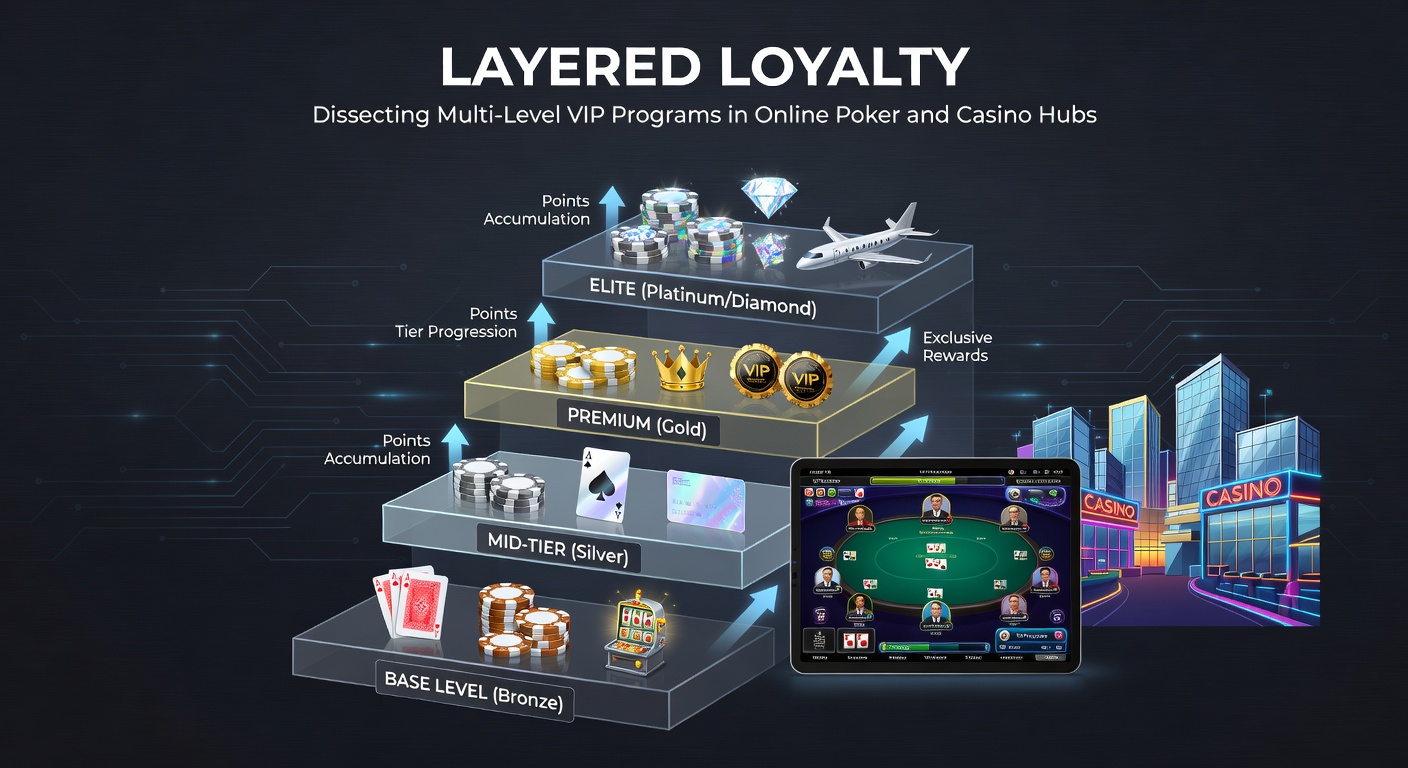
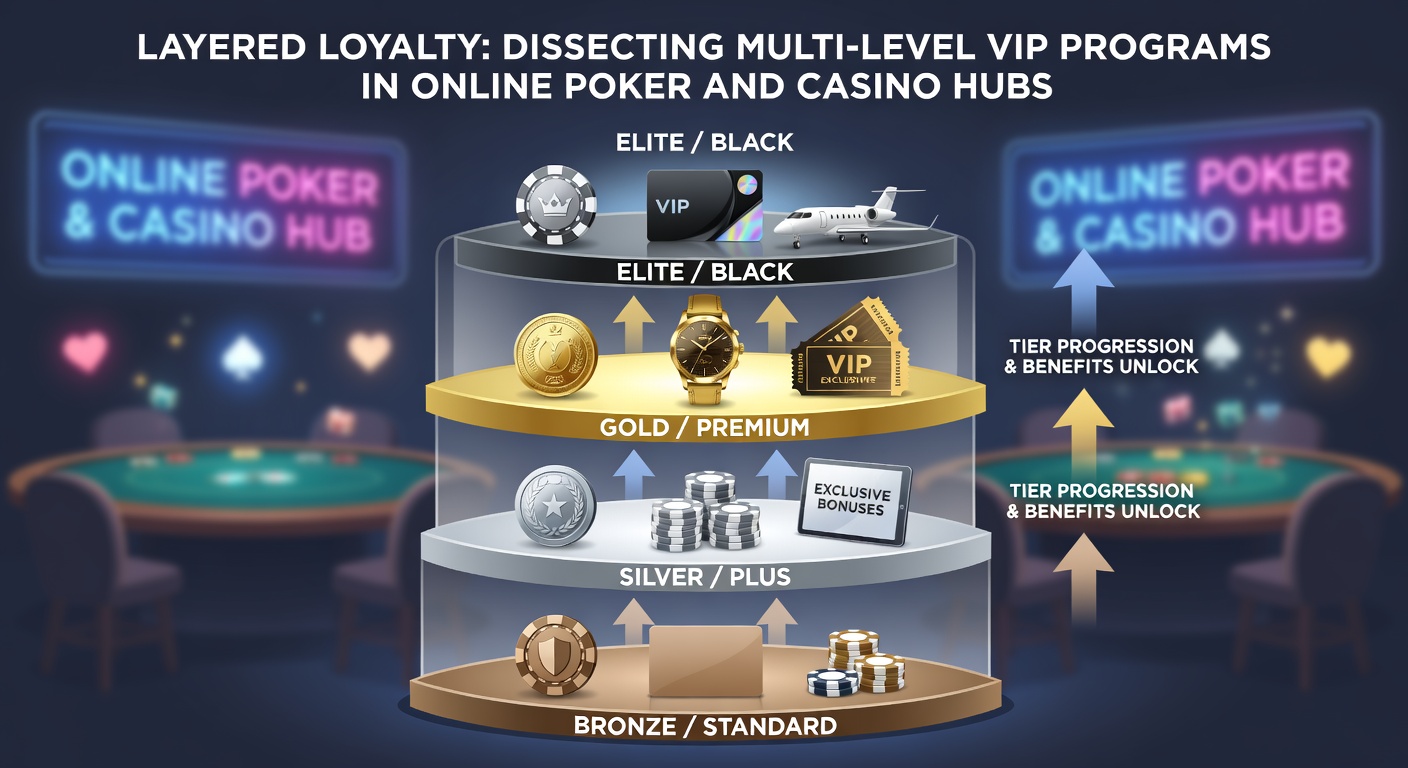
Online poker rooms and casino platforms have long relied on loyalty programs to keep players coming back, but multi-level VIP systems take this strategy to another dimension; these setups create structured ladders where participants climb from basic tiers like Bronze or Silver up to elite levels such as Diamond or Invitational, earning points through consistent wagering or rake contributions while unlocking progressively richer perks along the way. Data from industry trackers reveals that by early 2026, over 70% of major platforms offered such programs, a sharp rise from 45% five years prior, as operators compete fiercely for high-rollers in saturated markets. Players often start at entry levels with modest cashback rates around 5-10%, but those who grind through volume play find themselves at apex tiers boasting 50% rakeback, personal account managers, and invitations to closed-door events.
What's interesting about these programs lies in their gamification elements; points accumulate via real-money hands in poker or spins on slots in casinos, with multipliers kicking in during promotional periods that accelerate advancement, and observers note how this mirrors classic role-playing game progression, hooking dedicated users who treat tier climbs as personal challenges. Turns out, platforms like those regulated under the New Jersey Division of Gaming Enforcement lead adoption rates, where state filings show VIP members generating 40% of total revenue despite comprising just 5% of active accounts.
How Multi-Level Systems Operate Under the Hood
At their core, these programs function on a points-based currency unique to each site—poker hubs typically award Federal Poker Points (FPPs) or equivalents per hand raked, whereas casino arms tally wager volume across table games and slots; a player might earn one point per $1 raked in Texas Hold'em tournaments, but casinos often scale it to $5-10 per $100 bet, creating divergent paths to the top that reflect game-specific economics. But here's the thing: progression isn't linear; monthly evaluations reset or advance tiers based on point thresholds, so someone hovering near Platinum risks demotion without sustained activity, a mechanic that drives retention as evidenced by churn rates dropping 25% among mid-tier holders according to platform analytics.
And while base rewards include free tournament entries or deposit matches, higher echelons introduce bespoke incentives like loss rebates exceeding 30%, priority support lines that resolve issues in hours rather than days, and even travel comps to live events; experts who've dissected operator disclosures find that Diamond-level players in poker often access leaderboards with seven-figure prize pools reserved solely for VIPs, blending competition with exclusivity in ways that standard play can't match.
So, poker and casino hubs diverge notably in VIP design—poker emphasizes skill-based rake from tournaments and cash games, leading to programs like those with 10+ tiers that reward grinders over casuals, while casinos lean on volume from RNG-driven slots, where broad accessibility allows faster climbs but caps rewards to prevent abuse; this split shows up in data, with poker VIPs averaging 2.5 times higher lifetime value than casino counterparts at equivalent tiers.
Spotlight on Leading Platforms and Their Structures
Take PokerStars, whose VIP Club spans eight levels from Bronze Star to Supernova Elite; participants rack up points hourly during play, qualifying for Chest rewards that dispense bonus cash or tournament dollars, and records indicate top-tier players redeemed over $10 million in 2025 alone through this system. Similarly, partypoker deploys a five-tier Diamond Club, where Palladium members snag 50% average rakeback plus invites to the Triton Super High Roller series; casino giants like Evolution-powered live dealer sites mirror this with tiers offering 20% infinite cashback at Invitational status, perks that one study from the Ontario Lottery and Gaming Corporation linked to 35% higher session lengths among qualifiers.
Now, consider 888poker’s Premium tier, accessible after $50,000 in rake, which unlocks private freerolls and 40% cashback; or BetMGM Casino's My MGM Rewards, climbing from Sapphire to Noir via tier credits from slots and tables, culminating in suite upgrades at MGM properties for ultra-high rollers. There's this case where a mid-stakes poker pro documented climbing GGPoker's Fish Buffet from Gold to Black Shark in six months, netting $15,000 in monthly rakeback thereafter—a trajectory repeated across forums where grinders share strategies for point farming during peak hours. These examples highlight how platforms tailor ladders to their ecosystems, with poker favoring endurance and casinos speed.
Data-Driven Impact on Player Behavior and Retention
Figures reveal the potency of these programs; a 2025 report from gaming analysts showed VIP participants wagering 4x more monthly than non-members, while retention hit 85% for Platinum-plus versus 40% site-wide, underscoring how escalating rewards create stickiness. Yet, it's noteworthy that high-tier benefits like dedicated hosts—who negotiate custom deals or flag accounts for fraud—correlate with reduced complaints, as logged in operator transparency reports. People who've analyzed deposit patterns discover spikes around tier-up dates, with average boosts of 28% in volume as players chase status.
And in poker specifically, multi-table tournaments feed VIP progression efficiently; apps handling 24 tables simultaneously propel users skyward, while casino hubs use daily challenges to multiply points, tactics that collective data pegs as elevating average revenue per user by 60% within loyal cohorts.
Navigating Regulations Across Borders
Regulators scrutinize these programs to curb addiction risks and ensure fairness, with bodies mandating clear tier criteria and opt-out options; in Australia, for instance, the Australian Communications and Media Authority guidelines (wait, no—actually state-level like NSW Office of Liquor, Gaming) require transparent point calculations, preventing hidden multipliers that could mislead. Pennsylvania's Gaming Control Board filings expose how operators must cap VIP incentives to avoid excessive play inducement, a rule echoed in Michigan where audits confirm 15% of VIP spend ties back to promotional credits.
So, while EU frameworks via Malta Gaming Authority emphasize responsible gaming integrations—like mandatory breaks at tier thresholds—North American sites balance innovation with compliance, reporting zero major violations tied to VIP structures in 2025 quarterly reviews.
Trends Shaping the Future, Including April 2026 Shifts
Looking ahead, blockchain integration promises tamper-proof point tracking, with pilots already live on select platforms; AI-driven personalization tailors rewards to playstyles, predicting climbs with 90% accuracy per developer demos. As of April 2026, Ontario's iGaming expansion introduces unified VIP standards across operators, mandating cross-site point portability that could reshape competition, while U.S. states like New York eye similar interoperability post-legalization pushes.
But here's where it gets interesting: crypto casinos experiment with NFT-based tiers, granting ownership of exclusive assets; early adopters report 50% faster engagement, hinting at a hybrid model blending traditional ladders with Web3 perks. Observers expect global adoption to surge, driven by retention metrics that already outpace industry averages by double digits.
Key Takeaways from Layered Loyalty Dynamics
Multi-level VIP programs stand as cornerstones of online poker and casino ecosystems, fueling revenue through tiered incentives that reward loyalty with tangible escalations in value; from basic cashback to elite privileges, they structure player journeys in ways data consistently validates as effective for both sides. Platforms continue refining these systems amid regulatory evolution, with April 2026 marking pivotal harmonization efforts in key markets that promise broader access and fairness. Those tracking the space know the writing's on the wall: layered loyalty isn't just a perk—it's the engine driving sustained growth in a competitive arena.