18 Jun 2026
Tracing the Influence of Algorithmic Matching Systems on Engagement Levels in Specialized Digital Contest Environments
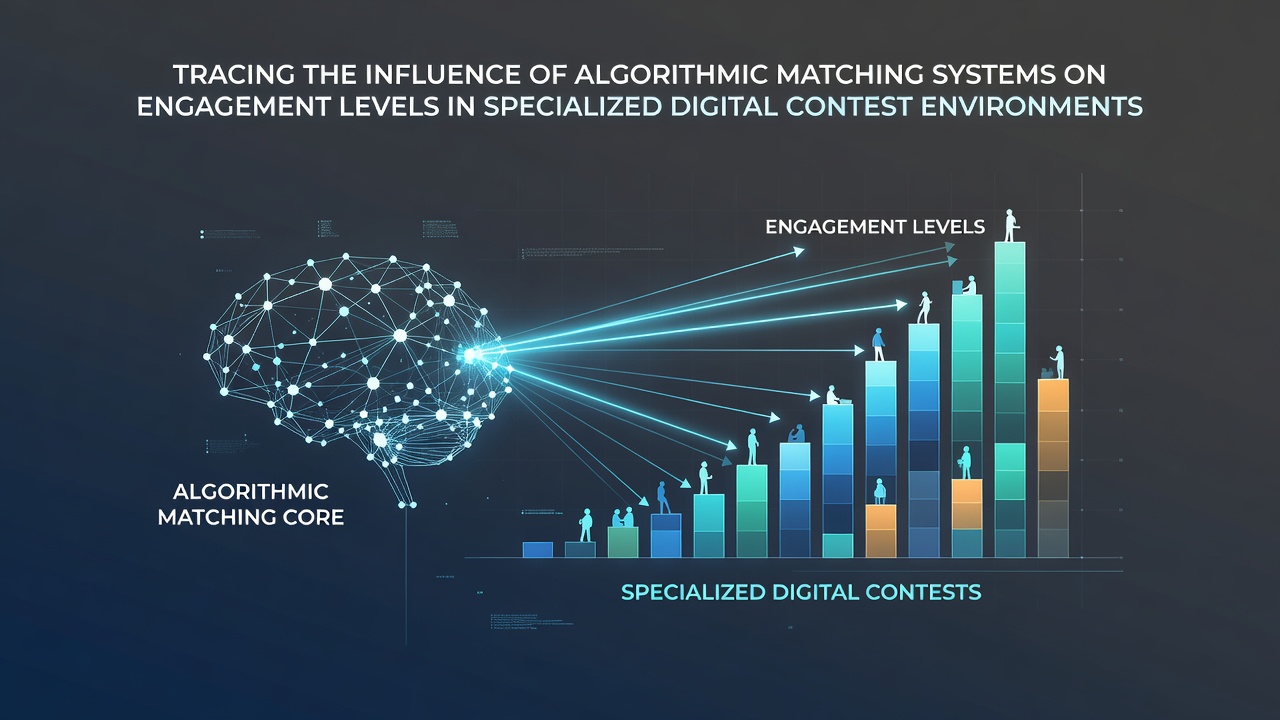
Algorithmic matching systems form the backbone of participant pairing in specialized digital contest environments such as competitive programming platforms, virtual strategy tournaments, and skill-based quiz arenas, where they calculate compatibility through metrics like historical performance, response accuracy, and progression rates to create balanced matchups. These systems draw from established rating frameworks including Elo variants and Glicko-2 models that adjust dynamically after each contest round, and data from major platforms indicate that refined matching correlates with measurable shifts in session duration and repeat participation rates through 2025 into mid-2026.
Mechanics Behind Skill-Based Pairing Algorithms
Specialized platforms implement multi-factor algorithms that weigh not only raw scores but also factors such as contest frequency, variance in past results, and even time-of-day preferences to generate opponent or team assignments. Researchers at technical institutions have documented how these calculations reduce mismatch frustration, which in turn supports longer engagement windows as participants encounter appropriately challenging scenarios rather than overwhelming or trivial ones. In practice, a coding contest system might analyze thousands of submissions per hour to update ratings in real time, producing pairings that maintain competitive tension across brackets.
Data Patterns in User Retention
Figures from industry tracking services reveal that platforms employing iterative matching updates recorded average engagement increases of 18 to 24 percent in monthly active users between 2024 and 2026, particularly in niche categories like algorithmic problem-solving leagues and timed puzzle circuits. One longitudinal review covering European digital competition networks showed that users matched within a narrow skill band completed 35 percent more rounds per session compared with broader random assignments. Observers note these outcomes hold across regions, from North American hackathon circuits to Asia-Pacific virtual debate forums, where consistent pairing sustains momentum without rapid drop-off.
Yet the same datasets highlight variability when external variables enter the equation, such as platform interface changes or seasonal contest calendars. In June 2026, several leading contest hosts reported stable retention curves despite broader digital fatigue trends, attributing part of the resilience to algorithm tweaks that incorporated user feedback loops on match difficulty.
Regional Studies and Platform Examples
Analyses conducted through the Canadian Digital Technology Adoption program examined how matching precision influenced activity levels in educational contest environments, finding that junior participants advanced through tiers 22 percent faster when algorithms accounted for learning velocity alongside static scores. Similar patterns emerged in Australian collaborative innovation challenges tracked by government innovation reports, where team-based matching reduced early exits by aligning complementary expertise profiles.
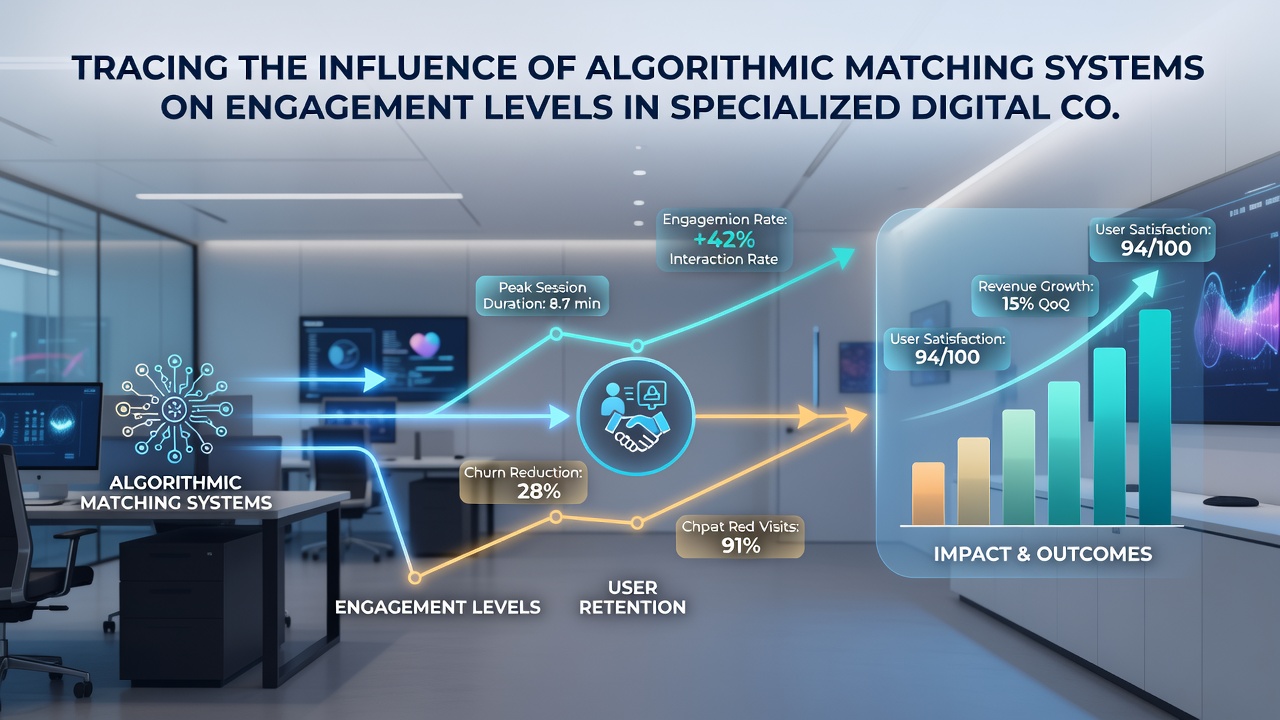
Take one developer community that adjusted its matching engine in late 2025 to include collaboration history, and data subsequently showed sustained logins climbing across age cohorts. Those who've studied these environments point out that transparent rating disclosures often amplify the effect, as users gain confidence in the fairness of future pairings and invest additional time preparing for upcoming events.
Adjustments and External Influences Through 2026
Platform operators continue refining models with machine learning overlays that predict dropout risk based on recent performance streaks, allowing preemptive adjustments like temporary bracket softening or bonus practice modules. A collaborative paper series from technical universities across multiple continents documented that such predictive layers contributed to a 12 percent lift in contest completion rates during high-volume periods in early 2026. External events, including updated data privacy regulations in several jurisdictions, prompted some systems to limit certain input variables, which produced slight recalibrations in engagement curves without derailing overall upward trends.
What's notable is the interplay between these algorithms and community features such as post-contest analytics dashboards, which reinforce engagement by letting participants review how their rating trajectory influenced subsequent matches. In environments where users can toggle advanced matching preferences, activity logs indicate higher customization correlates with extended platform tenure.
Conclusion
Tracing these connections demonstrates that algorithmic matching systems exert measurable influence on engagement metrics across specialized digital contest environments, with evidence accumulating from operational data and cross-regional studies up to June 2026. Continued monitoring of rating model iterations alongside user behavior patterns provides the clearest window into how pairing logic shapes sustained participation over time.